

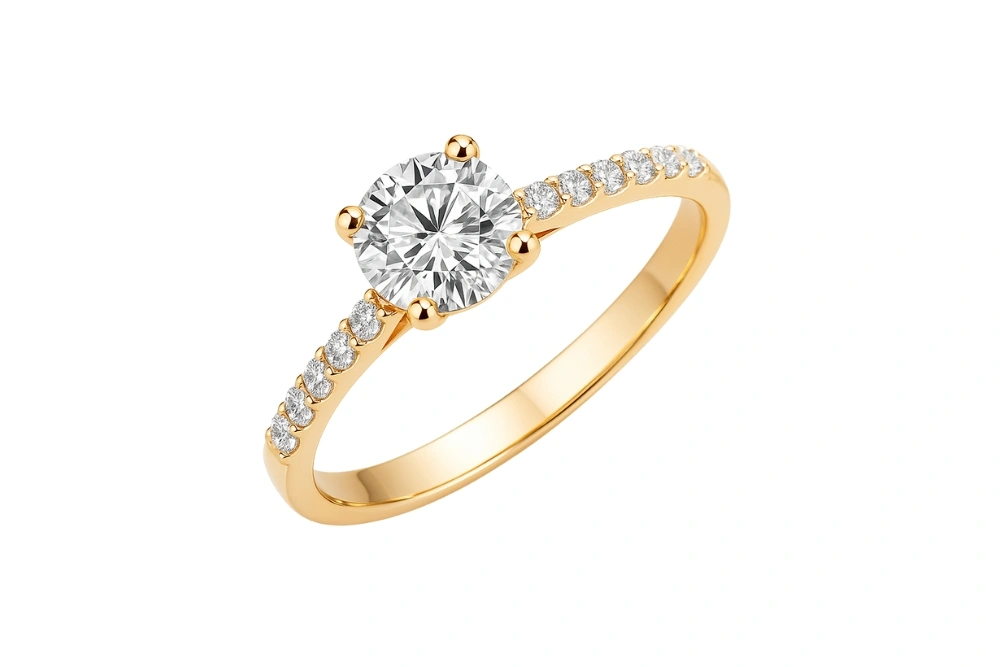
Jewellery enhances personal style when you choose the right materials and care for them well. Wrong metals can cause skin issues and fast wear. Wearing the same pieces every day also speeds up damage. Poor cleaning makes jewellery look dull and dirty. Harsh cleaners can harm metals and stones. Water from showers or pools causes fading and weak joints. Bad storage and tangled chains bend and break easily.
Ethical buying helps protect people and the planet. Shopping beyond big chain stores often gives better quality. Correct ring size improves comfort and fit. Creative styling makes each piece feel new. Matching metals to skin tone improves appearance. The right jewellery suits the outfit and occasion. Insurance and records protect valuable items. Hair style choice helps jewellery stand out and last longer. Avoiding these 17 common jewellery mistakes keeps every piece durable, intentional, and refined.
1. Not Understanding the Materials Used to Make Jewellery
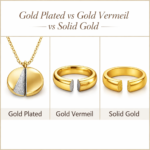
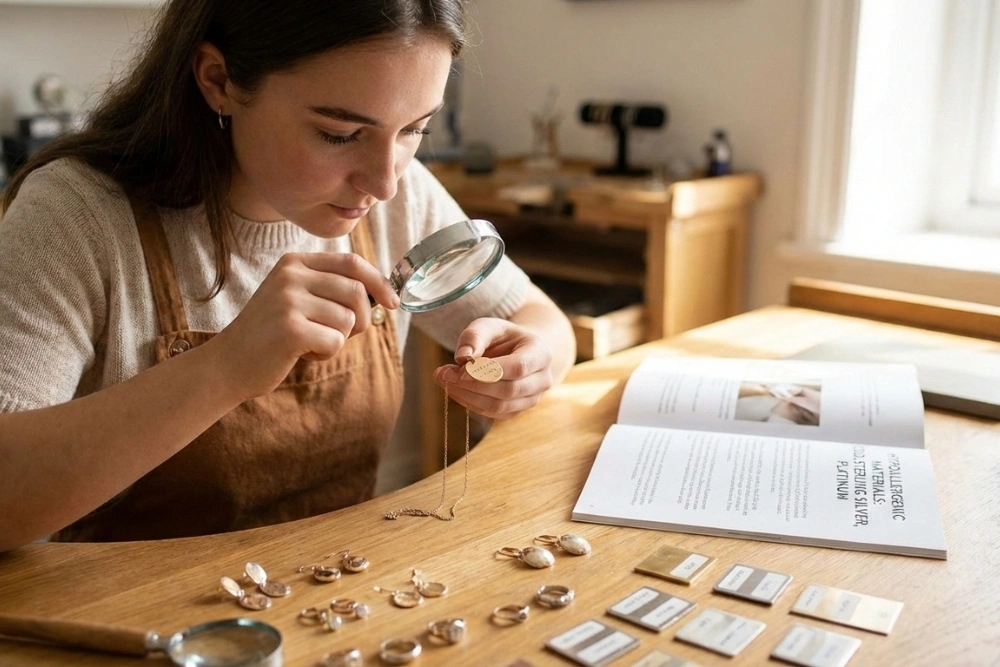
This mistake leads to fast wear, skin reactions, and wasted money. Jewellery quality depends on the materials a piece is made from. Sterling silver jewellery and solid gold jewellery contain precious metals that retain colour and value. Base metals like brass and especially nickel trigger skin reactions and cause discolouration. Non-precious metal or plated jewellery uses thin layers over cheap metals such as brass or nickel, which change colour quickly. Buyers often overpay when gold vermeil or gold filled items get confused with genuine silver, gold, or other precious metals.
How to Avoid
- Read product descriptions to confirm sterling silver, solid gold, or platinum content
- Identify base metal such as brass or nickel to prevent allergic reactions
- Verify whether gemstones are natural, lab-created, or simulated
- Choose hypoallergenic materials such as gold, sterling silver, or platinum
- Research plated vs solid jewellery using reliable material guides
2. Wearing the Same Jewellery Every Day
Daily wear causes grime build-up and grotty jewellery. Sweat, oils, and environmental dirt settle into surfaces and joints. Earring posts collect residue that leads to dullness and infections. Constant exposure accelerates tarnish, even on stainless steel jewellery. Repetition reduces lifespan and weakens clasps, chains, and settings faster than expected.
How to Avoid
- Rotate your collection weekly to reduce constant wear
- Clean worn pieces every 1 to 2 weeks to control grime buildup
- Match jewellery with a new outfit to limit daily exposure
- Embrace variety to extend overall jewellery lifespan
- Invest in versatile pieces that suit multiple looks without repetition
3. Not Cleaning Your Jewellery Regularly
Jewellery loses brilliance and hygiene without routine cleaning. Dirt builds faster in a humid climate and causes metals to tarnish early. Rings, earrings, and chains trap bacteria when jewellery stays dirty without washing. Jewellery appears worn and lifeless when grime remains embedded in small crevices. Neglect affects appearance and skin health at the same time.
How to Avoid
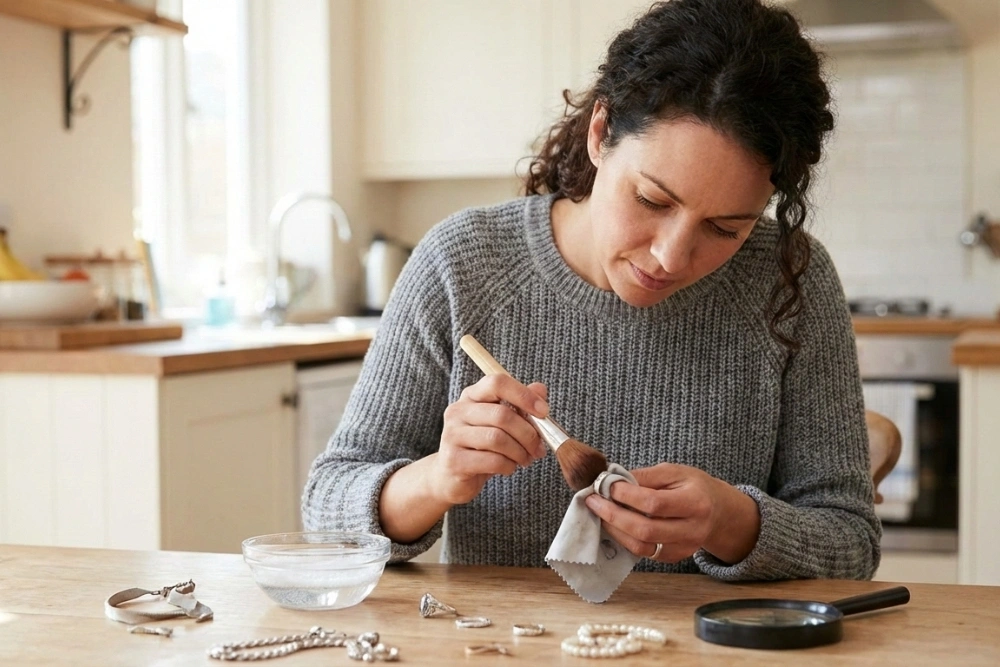
- Clean jewellery at least monthly using warm soapy water
- Use colourless, fragrance-free soap with a soft brush
- Dry items fully to maintain a squeaky shiny and clean finish
- Increase cleaning frequency in humid climates
- Follow material-specific care guides for delicate jewellery
4. Using the Wrong Jewellery Cleaning Methods
Improper cleaning methods cause permanent damage. Toothpaste, bicarb soda, lemon juice, and vinegar scratch metal surfaces and strip protective finishes. Harsh chemicals weaken prongs, clasps, and settings. Porous gemstones like opals or pearls absorb acids and lose structure. DIY cleaning hacks destroy polish and damage delicate gemstones beyond repair.
How to Avoid
- Use lukewarm water with mild, fragrance-free dish soap
- Clean gently using a soft-bristled brush
- Follow professional-recommended solutions for valuable pieces
- Avoid toothpaste, vinegar, lemon juice, and baking soda paste
- Test any cleaner on a small area before full use
5. Wearing Jewellery While Swimming or Showering
Water exposure damages jewellery fast. Soap and shampoo residues dull metal surfaces and weaken gemstone settings. Chlorine pools and saltwater trigger chemical reactions that erode silver alloys and solder joins. Chlorine in pool water discolours porous gemstones and accelerates corrosion. Softer stones such as pearls and opals lose surface integrity, while prongs weaken under repeated exposure.
How to Avoid
- Remove all jewellery before swimming, showering, exercising, or cleaning
- Store removed pieces in a pouch away from moisture
- Avoid chlorine pools and saltwater exposure entirely
- Protect porous gemstones like opals or pearls from water contact
- Dry hands fully before handling or re-wearing jewellery
6. Storing Your Jewellery Improperly
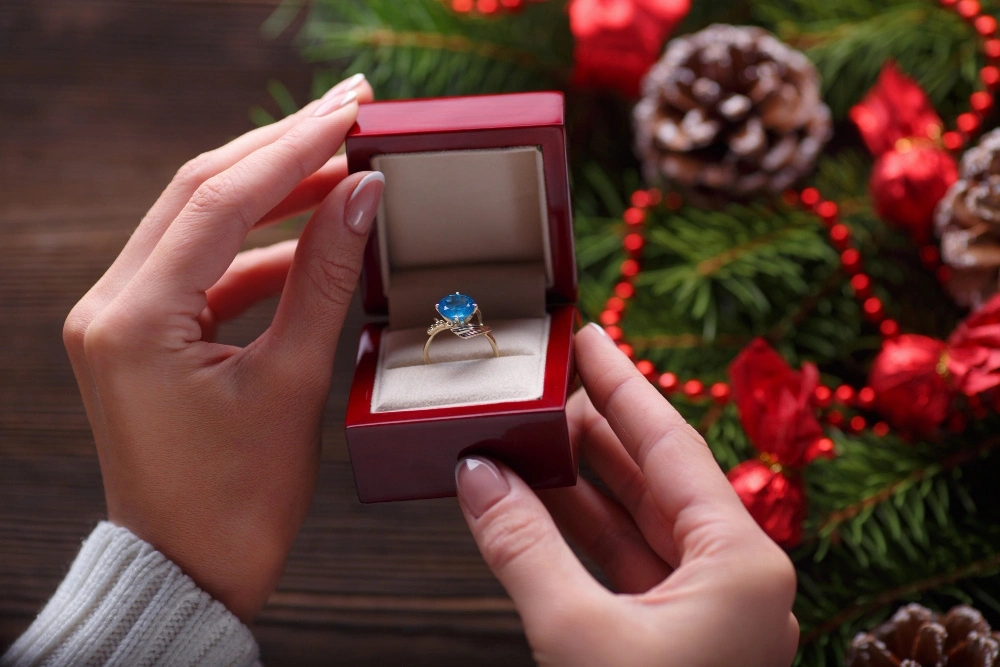
Poor storage causes scratches, tangles, dust buildup, and rapid tarnishing. Humid places like bathrooms accelerate metal oxidation. Open air exposure dulls treasured pieces faster than normal wear. Jewellery stored together rubs surfaces and damages finishes. Lack of separation leads to bent prongs, kinked chains, and weakened clasps.
How to Avoid
- Use a lined jewellery box with separate compartments
- Store pieces in a cool, dry place away from humidity
- Keep items in individual soft-lined compartments or airtight bags
- Clasp chains after removal to prevent knots
- Add anti-tarnish strips to reduce air exposure
7. Allowing Necklace Chains to Tangle
Loose storage causes chains to knot and kink. Tangling stresses delicate links and weakens chain structure. Repeated pulling damages clasps and reduces lifespan. Frustrating knots often lead to breakage during removal.
How to Avoid
- Clasp necklaces before storing
- Hang chains individually using proper jewellery storage
- Thread necklaces through straws or tubes during travel
- Store each chain in a separate pouch
- Avoid piling necklaces together in drawers
8. Not Considering the Ethics Behind the Jewellery You Buy
Unethical sourcing supports environmental harm and poor labour conditions. Jewellery without transparent origins lacks accountability. Metals sourced irresponsibly increase ecological damage. Gemstones without ethical verification raise concerns over exploitation. Smaller-scale makers often provide better traceability than mass-produced alternatives.
How to Avoid
- Ask whether metals are recycled or responsibly sourced
- Choose gemstones that are ethically sourced or lab-created
- Buy from makers transparent about materials and processes
- Support independent jewellery designers for better accountability
- Treat high-end jewellery as an informed long-term investment
9. Buying Jewellery from Big Chain Stores
Mass-produced jewellery prioritises volume over craftsmanship. Big chain stores rely on generic designs and lower material quality. Limited transparency surrounds sourcing and production methods. Price inflation often reflects branding rather than value. Smaller defects appear more frequently due to rapid manufacturing cycles.
How to Avoid
- Compare material quality rather than brand reputation
- Review sourcing and production transparency
- Explore independent or small-batch jewellery sellers
- Examine craftsmanship details before purchase
- Prioritise value, durability, and traceability over logos
10. Not Knowing Your Ring Size Before Buying
Incorrect sizing creates delays, extra costs, and disappointment. Each finger has a different size, even on the same hand. Guessing sizes leads to rings that feel tight, slip off, or require resizing. Heavy or wide bands amplify discomfort when sizing errors occur. Ill-fitting jewellery reduces wear frequency and long-term satisfaction.
How to Avoid
- Measure each finger separately using a jeweller’s or sizing tool
- Use online sizing guides from reputable sellers
- Measure fingers at room temperature for accuracy
- Choose adjustable designs where available
- Confirm sizing rules before ordering custom or engraved rings
11. Leaving Necklaces Unclasped After Taking Them Off
Unclasped necklaces tangle during storage. Loose chains twist, knot, and weaken at stress points. Repeated tangling damages delicate links and clasps. Untended chains increase breakage risk during handling.
How to Avoid
- Clasp necklaces immediately after removal
- Store each necklace separately
- Hang chains to maintain straight alignment
- Use soft pouches to reduce friction
12. Not Being Creative with Jewellery and Accessories
Lack of creativity limits value from an existing collection. Wearing the same combinations reduces visual impact. Accessories lose versatility when pieces remain fixed to one outfit style. Jewellery gains relevance through variation and layering.
How to Avoid
- Combine different jewellery with different outfits
- Layer necklaces at varied lengths
- Mix metals intentionally for contrast
- Reuse statement pieces across casual and formal looks
13. Overlooking Jewellery Lifespan Before Buying
Short lifespan leads to repeated replacement. Cheap costume jewellery shows wear or discolouration within months. Low-quality finishes fade after limited exposure. Frequent replacement increases long-term cost and waste.
How to Avoid
- Assess material durability before purchase
- Avoid jewellery showing early discolouration signs
- Prioritise solid metals over plated finishes
- Treat jewellery as a long-term asset
14. Ignoring Skin Tone When Choosing Jewellery
Incorrect metal choice dulls the appearance. Metals and gemstones that clash with skin tone create a washed-out look. Colour theory explains why gold suits warm undertones and silver flatters cool ones. Neutral undertones support both metal families.
How to Avoid
- Identify undertone using vein colour under natural light
- Choose gold and copper tones for warm undertones
- Select silver or platinum for cool undertones
- Mix metals confidently with neutral undertones
- Test jewellery in daylight before purchase
15. Mismatching Jewellery with Outfits or Occasions
Mismatched jewellery disrupts visual balance and weakens presentation. Choosing pieces that clash with necklines, events, or personal style reduces impact. Bold items worn in formal or professional settings appear excessive. Incorrect necklace lengths compete with clothing cuts and proportions, making ensembles feel disjointed.
How to Avoid
- Match necklace shapes to necklines, such as V-shaped pendants for V-necks
- Select subtle, classic pieces for professional or formal occasions
- Scale jewellery size to outfit formality and fabric weight
- Coordinate metal tones with buttons, belts, or footwear
- Test combinations in front of a mirror for harmony
16. Not Insuring or Documenting Your Jewellery Collection
Lack of documentation prevents recovery after theft, loss, or damage. Missing records delay or block insurance claims. Uninsured high-value pieces remain impossible to replace. Poor documentation reduces resale and valuation accuracy.
How to Avoid
- Photograph each piece clearly from multiple angles
- Keep purchase receipts and certificates organised
- Appraise high-value items every 3 to 5 years
- Add jewellery riders to home insurance policies
17. Overlooking Hair Length and Hairstyle
Hair style controls jewellery visibility and impact. Hidden earrings lose purpose under long hair. Tangled necklaces compete with loose styles and collars. Poor pairing reduces definition around the face and neckline.
How to Avoid
- Choose bold studs or hoops for short hair
- Select drop earrings or chandeliers for long hair
- Pair updos with statement earrings or neckpieces
- Balance necklace length with hair volume and neckline
Final Thoughts
Jewellery is a meaningful reflection of your personal style and intention, far beyond being a simple accessory. To ensure your pieces remain beautiful and durable, it is essential to understand the materials you wear and practice thoughtful cleaning and storage.
Finding the right jeweller is the first step toward ethical buying and ensuring your collection holds its value over time. By paying attention to how a piece complements your skin tone, fit, and the specific occasion, you can elevate any look effortlessly. Following these mindful habits transforms your jewellery into a lasting investment in both style and elegance.
Frequently Asked Questions (FAQs)
Q: What to avoid in jewellery?
A: Avoid jewellery made with nickel, brass, or copper if you have sensitive skin. These metals often cause irritation, itching, or discolouration. Costume or fashion jewellery commonly contains these materials. Choosing fine jewellery made from solid gold, sterling silver, or platinum reduces skin reactions and lasts longer.
Q: How can you tell if jewellery is real without professional testing?
A: Check for hallmarks stamped on the jewellery, such as “925” for sterling silver or “18K” for gold. Real jewellery usually has consistent weight, smooth finishes, and secure settings. Plated or fake pieces often feel light and show uneven colour or wear.
Q: What are the 4 C's of jewellery?
A: The 4 C’s of jewellery are cut, colour, clarity, and carat weight. These factors determine how a diamond looks, sparkles, and holds value. Jewellers use the 4 C’s as a standard method to assess and compare diamonds.
Q: What are the 5 C's of jewellery?
A: The 5 C’s of jewellery are cut, colour, clarity, carat weight, and certification. Certification confirms a diamond’s grading from an independent authority. This extra factor helps buyers verify quality and authenticity before purchasing.
Q: What jewellery is safe to wear on sensitive or eczema-prone skin?
A: Jewellery made from solid gold, sterling silver, platinum, or titanium is safest for sensitive or eczema-prone skin. These materials are hypoallergenic and less likely to cause irritation. Avoid plated jewellery and unknown metal alloys, which often contain nickel.